Spring Fishing Guide: What Fish Are Biting Right Now?
Spring is one of the most exciting seasons for anglers. As water temperatures rise and fish become more active, opportunities increase for bass, crappie, catfish, and other popular freshwater species. Learn what fish are biting and how to maximize your success this spring.
Why Spring Is One of the Best Times to Fish
Ask experienced anglers about their favorite fishing season, and many will immediately say spring. After the slower winter months, warming water temperatures trigger increased feeding activity across many freshwater species. Fish begin moving from deeper winter locations into shallower water, making them easier to locate and target.
Spring is a season of transition. Fish are actively feeding, preparing to spawn, or already moving into spawning areas. This combination creates some of the best fishing opportunities of the year for anglers of all experience levels.
Another advantage of spring fishing is the variety of species available. Whether you're targeting largemouth bass, crappie, bluegill, catfish, or other freshwater favorites, spring often provides consistent action and excellent opportunities for memorable catches.
Understanding how fish respond to changing conditions during spring can help you spend less time searching and more time catching.
Understanding Spring Water Temperatures
One of the most important factors affecting spring fishing success is water temperature.
As temperatures rise, fish metabolism increases. This means fish need more food and become more active. However, different species respond to warming water at different rates.
Generally speaking:
45°F–55°F: Fish begin becoming more active after winter.
55°F–65°F: Many species move into pre-spawn patterns.
65°F–75°F: Peak spawning activity for several freshwater species.
Above 75°F: Fish begin transitioning toward summer patterns.
Monitoring water temperature can provide valuable clues about where fish are located and how aggressively they're feeding.
Many anglers focus only on air temperature, but water temperature often tells a more accurate story about fish behavior.
Targeting Largemouth Bass During Spring
Spring is widely considered one of the best times of the year to catch largemouth bass.
As water temperatures begin rising, bass move from deeper winter areas toward shallow spawning grounds. During this transition, they actively feed to build energy reserves for spawning.
Pre-Spawn Bass
Before spawning begins, bass are often aggressive and willing to strike a variety of lures.
Popular spring bass lures include:
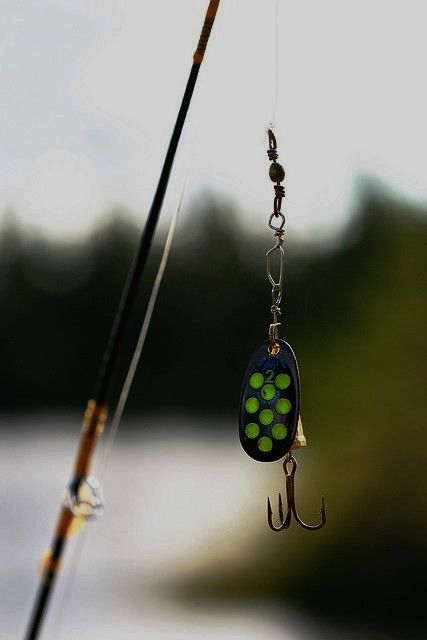
Spinnerbaits
Chatterbaits
Crankbaits
Jigs
Soft plastic worms
Focus on areas such as:
Secondary points
Creek channels
Shoreline cover
Docks
Grass edges
Spawn and Post-Spawn Bass
As bass move onto beds, their behavior changes. During this period, presentations often need to be slower and more precise.
After spawning, bass begin feeding aggressively again, creating another excellent opportunity for anglers.
Understanding which stage of the spring cycle bass are currently in can dramatically improve your success.
Crappie Fishing Heats Up in Spring
For many anglers, spring means crappie season.
As water temperatures climb into the 50s and 60s, crappie move into shallow areas to prepare for spawning. This migration often concentrates large numbers of fish in predictable locations.
Look for crappie around:
Brush piles
Fallen trees
Boat docks
Submerged timber
Shallow coves
Small jigs and live minnows are among the most productive spring crappie presentations.
One reason anglers love spring crappie fishing is that schools of fish can often be located in relatively small areas, leading to steady action once a productive spot is found.
Patience and attention to depth can make a significant difference when targeting spring crappie.
Don't Overlook Bluegill and Panfish
While bass and crappie often receive the most attention, spring is also a fantastic time to target bluegill and other panfish species.
Bluegill become increasingly active as water temperatures rise and can provide fast-paced action for anglers of all ages.
Simple setups often work best:
Small hooks
Bobbers
Live worms
Crickets
Small jigs
Bluegill are excellent fish for introducing children and beginners to fishing because bites are often frequent and fish are widely available.
In many lakes and ponds, bluegill activity increases steadily throughout spring and into early summer.
Spring Catfish Opportunities
Catfish become more active during spring as water temperatures rise and feeding opportunities increase.
Many anglers enjoy targeting catfish because the techniques are straightforward and productive.
Effective spring catfish baits include:
Cut bait
Chicken liver
Prepared stink baits
Nightcrawlers
Shrimp
Look for catfish near:
River channels
Deep holes
Creek mouths
Mud flats
Areas with current
Catfish often feed heavily during spring, making it one of the most productive seasons for targeting larger fish.
Fishing near sunset and after dark can be particularly effective as catfish move into shallower water to feed.
Make the Most of Spring Fishing Season
Spring offers some of the best fishing opportunities of the year. Fish are feeding, moving shallow, and preparing for important seasonal transitions. By understanding how bass, crappie, catfish, and panfish behave during this period, anglers can position themselves for greater success.
The key is paying attention to conditions, monitoring water temperatures, and focusing on high-percentage areas where fish naturally congregate.
Whether you're fishing from the shoreline, a boat, or a local dock, spring provides excellent opportunities to catch more fish and create lasting memories on the water.
