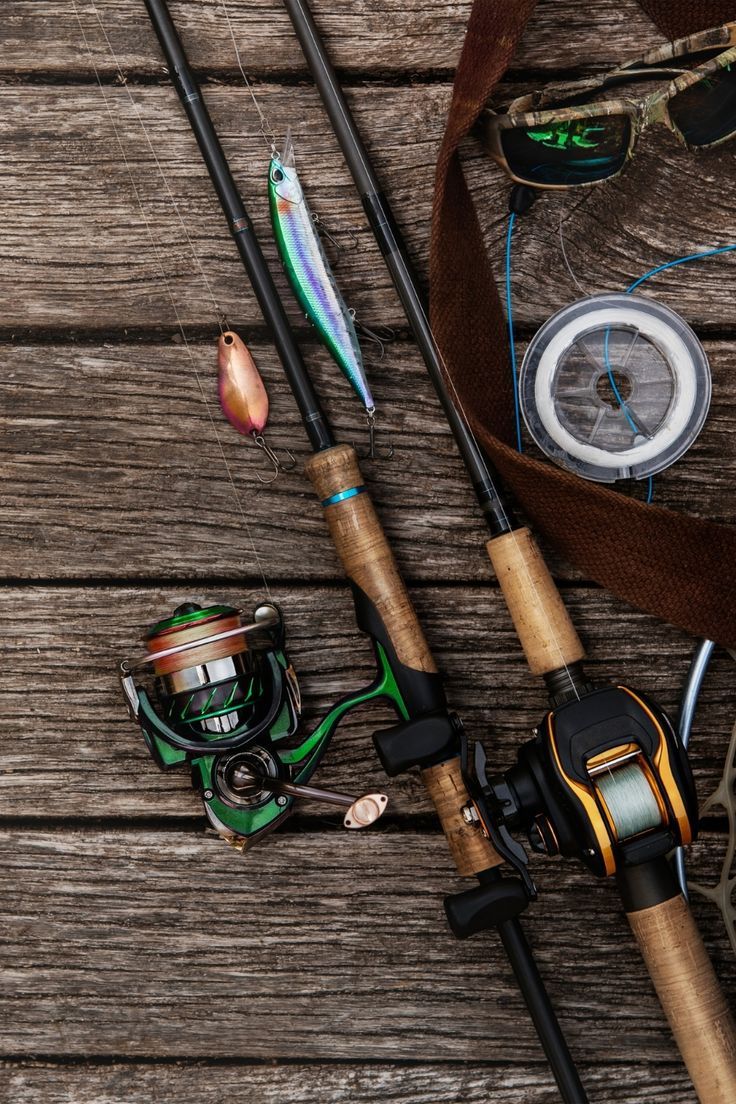
How to Choose the Perfect Fishing Rod and Reel Setup
Choosing the right fishing rod and reel doesn't have to be complicated. Learn how to select the perfect setup based on your experience level, target species, and fishing goals.
Why Your Fishing Setup Matters
Walking into a tackle shop for the first time can feel overwhelming. Hundreds of rods, reels, line types, and specifications make it difficult to know where to start. Many anglers assume that expensive equipment automatically leads to better results, but the truth is that choosing the right setup for your needs matters far more than spending the most money.
A properly matched rod and reel combination improves casting accuracy, increases sensitivity, and makes fighting fish more enjoyable. Whether you're fishing from the bank, a boat, or a local dock, the right setup can help you catch more fish while reducing frustration on the water.
The best fishing setup is not necessarily the most expensive or the most advanced. It's the one that matches your skill level, the species you're targeting, and the conditions you fish most often.
For most beginners and casual anglers, a versatile setup that performs well in a variety of situations is the smartest investment.
Understanding Fishing Rod Basics
Before selecting a rod, it's important to understand a few key terms you'll encounter when shopping.
Rod Length
Fishing rods come in a variety of lengths, typically ranging from 5 to 8 feet or longer.
Shorter rods:
Easier to control
Great for tight spaces
Ideal for accurate casting
Longer rods:
Cast farther
Cover more water
Better for larger fish
For most freshwater anglers, a rod between 6'6" and 7' provides an excellent balance of casting distance and control.
Rod Power
Power refers to how much force is required to bend the rod.
Common rod powers include:
Ultra Light
Light
Medium Light
Medium
Medium Heavy
Heavy
A medium-power rod is often the best choice for beginners because it offers enough versatility to target bass, crappie, bluegill, catfish, and many other freshwater species.
Rod Action
Action describes where the rod bends when pressure is applied.
Fast Action:
Bends near the tip
More sensitive
Better hook-setting power
Moderate Action:
Bends farther down the blank
Forgiving during fights
Excellent for beginners
Slow Action:
Bends throughout the rod
Common for specific fishing applications
For most anglers, a medium-fast or fast-action rod provides the ideal combination of sensitivity and versatility.
