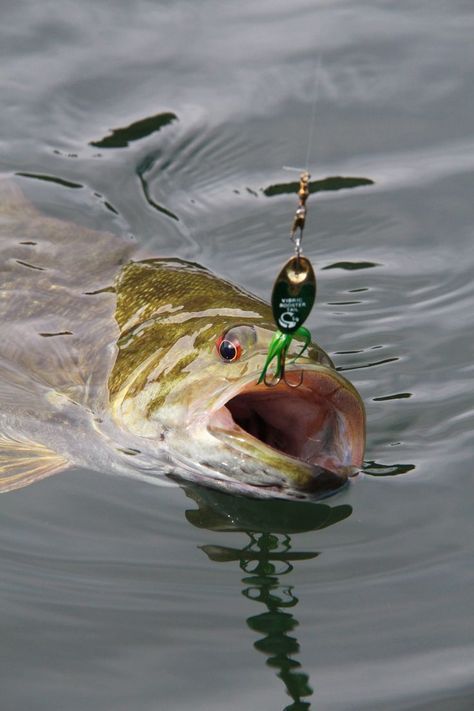
Fishing Lures Explained: When and How to Use Them
Not sure which lure to use? Understanding the basics of fishing lures can help you catch more fish and build confidence on the water.
Why Lure Selection Matters
Walk into any tackle shop and you'll find hundreds of lure options. While the variety can feel overwhelming, most successful anglers rely on a handful of proven lures that match the conditions and target species.
The key is understanding what each lure is designed to imitate and when fish are most likely to respond to it.
Soft Plastics: The Most Versatile Option
Soft plastic worms, craws, and creature baits are among the most effective lures for freshwater fishing.
Best used for:
Bass fishing
Fishing around cover
Slower presentations
These lures work year-round and are often the first choice when fish are less aggressive.
Spinnerbaits and Crankbaits: Cover More Water
When you're searching for active fish, reaction baits can help you locate them quickly.
Spinnerbaits are effective in stained water and around vegetation, while crankbaits excel at covering large areas and targeting different depths.
Best used for:
Active fish
Windy conditions
Locating bass quickly
Topwater Lures: The Most Exciting Strike
Few fishing experiences compare to a bass exploding on a topwater lure.
Topwater baits work best during:
Early mornings
Late evenings
Overcast days
Warm water conditions
Patience is important—wait until you feel the fish before setting the hook.
Final Thoughts
You don't need dozens of lures to become a successful angler. Start with a few proven options, learn when to use them, and build confidence through experience. The more familiar you become with your lures, the more effectively you'll be able to adapt to changing conditions and catch more fish.
